A travel jewellery case looks simple on a product page: a shell, a zip, a set of padded slots. What a buyer cannot see is the production chain behind it — how the insert is die-cut, how the inner fabric is bonded to the pad, and which checks run before the cartons leave the floor. This guide walks that chain for B2B buyers who need a case that holds up in transit, not just on a shelf.
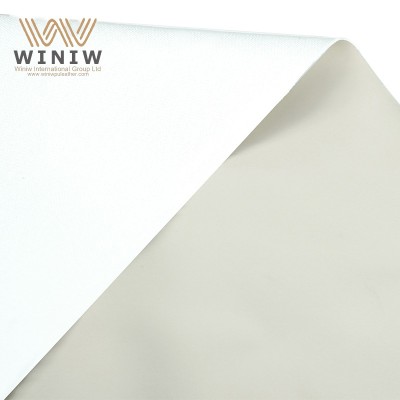
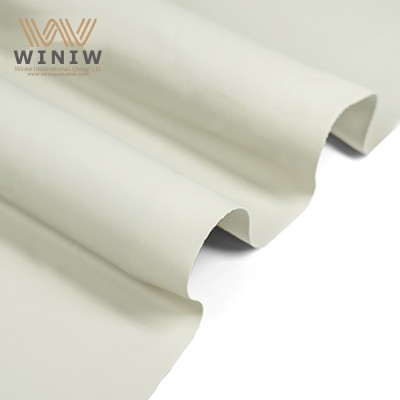
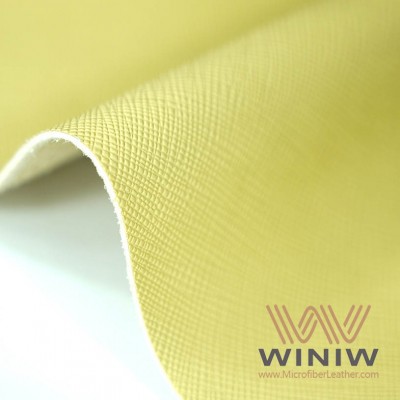
WINIW supplies the microsuede fabric used by case converters, sold by the roll for buyers who cut their own inserts. We look at what happens between receiving that roll and shipping the finished case.
A case programme normally runs through four gates. Skipping one is how a first bulk order ends up reworked.
The insert is the part that decides whether a necklace stays put. Padded bars, compartment walls and earring tabs are covered in fabric and fixed to a stiff base. Because microsuede has a short, even nap and almost no stretch, a covered pad can be cut close to its finished size — only a fraction of a millimetre is allowed per face — and curved forms such as C-cushions can be wrapped in one piece with the seam hidden underneath.
The fabric is brushed once after fitting to lift the nap. At the ring-roll slots the bond is under the most stress; ask your converter how the lining is secured there, and how the edges are finished so they do not fray into the compartments.
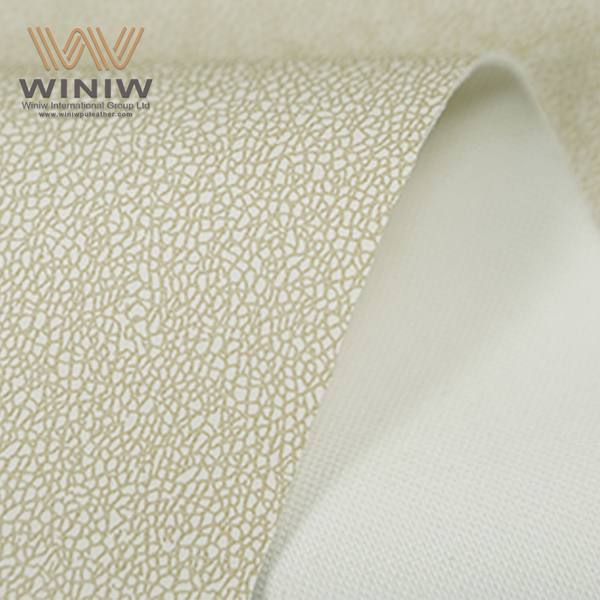
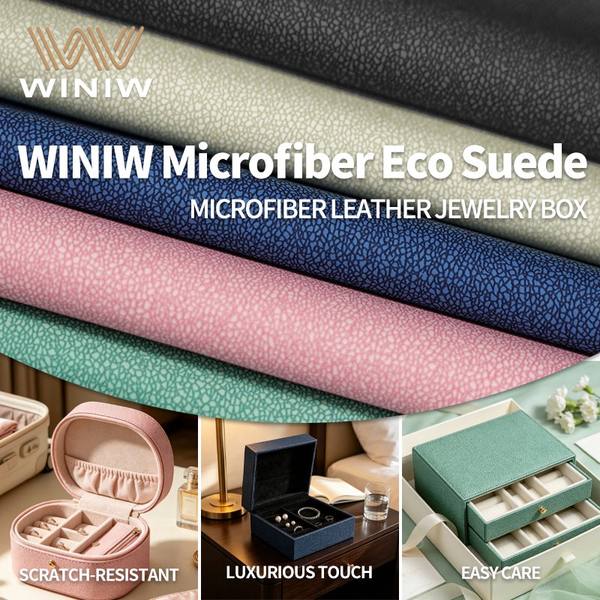
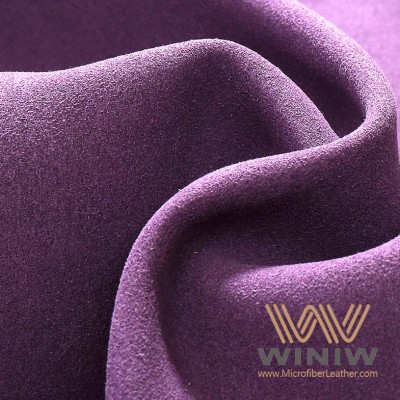
Case linings are specified by a colour standard, not a screen image. Muted greys, taupes and off-whites are common because they photograph without a highlight under store lighting. Under factory lighting a shade can drift, so approval is done against a physical swatch. If a brand ships silver, the anti-tarnish question belongs at this gate too: state whether the treatment is embedded in the fibre or applied as a finish, because the two age differently in a zipped case.
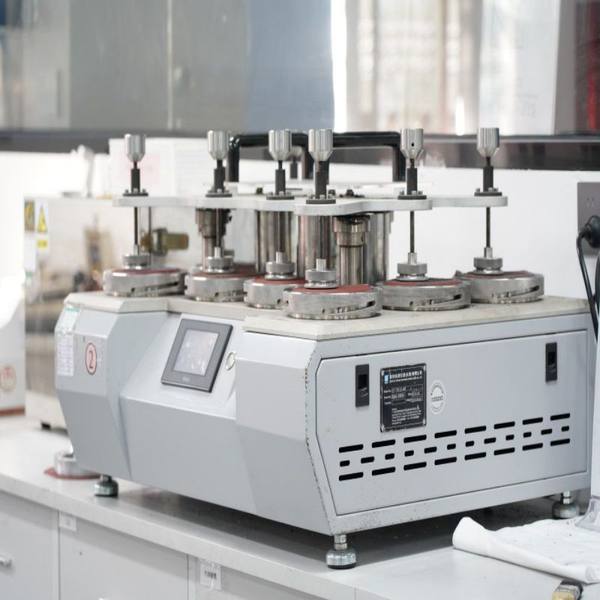
A travel case is rubbed, zipped and compressed more than a display box. That makes abrasion the check worth asking about. WINIW runs its lining materials through in-house tensile, tear and Taber abrasion testing on production lots. The point is not a number on a brochure but a report tied to the grade you are actually buying.
Alongside abrasion, buyers commonly ask about colour fastness, dimensional stability after folding, and whether the lining sheds fibre onto polished metal. Agree the test list and the acceptance criteria before production — after a shipment is packed, there is no cheap way to retro-fit them.

Once the case passes final inspection, the unit pack, carton mark and export packing are confirmed against the order. Buyers shipping into North America or Europe should agree the trade term and the carton dimensions before the goods move, so that the landed cost matches the quotation. A case that arrives crushed is a packing problem, not a lining problem — but the two are specified in the same conversation.
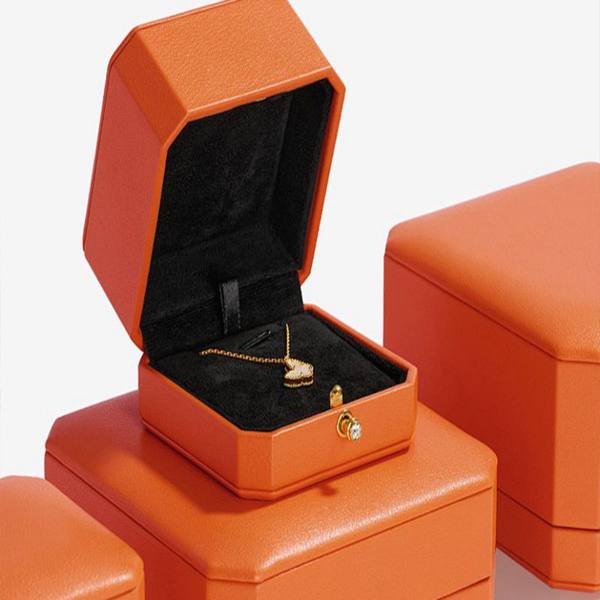
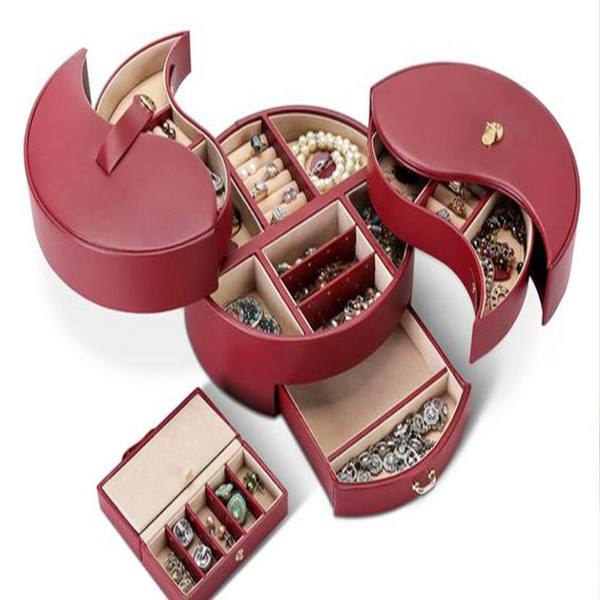
How do you keep multiple necklaces from tangling in transit?
Give each chain its own hook or loop, lay it flat under a retention strap and tuck the pendant into a lower pocket. Fastening every clasp before packing stops loose ends weaving into neighbouring chains — the lining alone cannot prevent knots.
Are soft rolls or hard-shell boxes better for traveling with necklaces?
Soft rolls suit light travel where space and weight are tight. Structured cases protect fragile gemstone pendants and resist crush inside a packed bag. What matters in either format is an anti-scratch lining and enough separation between pieces.
How can I stop silver and gold necklaces from tarnishing while travelling?
Use an anti-tarnish lining, keep the case zipped to limit humid air, and make sure pieces are clean and dry before packing. Ask whether the treatment is built into the fibre or only finished on the surface — surface finishes wear away.
Is this compact travel jewelry case suitable for carry-on luggage or handbags?
A compact case is designed to slide into a handbag or carry-on. For fine jewellery, keep the case in your cabin bag rather than checked luggage, where temperature swings and rough handling add risk.
What is a travel jewellery case lining made of?
Most cases line the interior with microfibre suede, velvet or a satin face over a padded insert. Microfibre suede is the common choice where scratch and tarnish protection both matter and the case will be folded often.
Send your case construction, target thickness and colour range. We'll recommend a microsuede grade and send a swatch for approval before bulk production.
Business Phone : +8618150976625
E-mail : Hello@MicrofiberLeather.com
Mobile & WhatsApp : +8618150976625
Endereço : W6-302 Shimao Manhadun Shuanglong Road, Jinjiang Quanzhou Fujian China



© direito autoral 2022 Winiw International Co., Ltd.Todos os direitos reservados.
XML | Política de Privacidade |