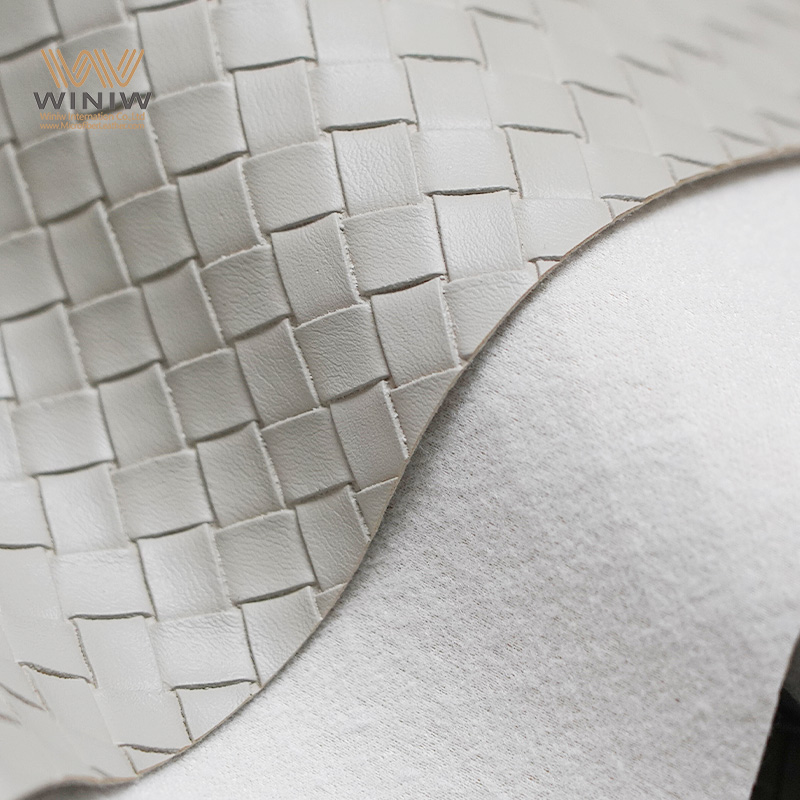
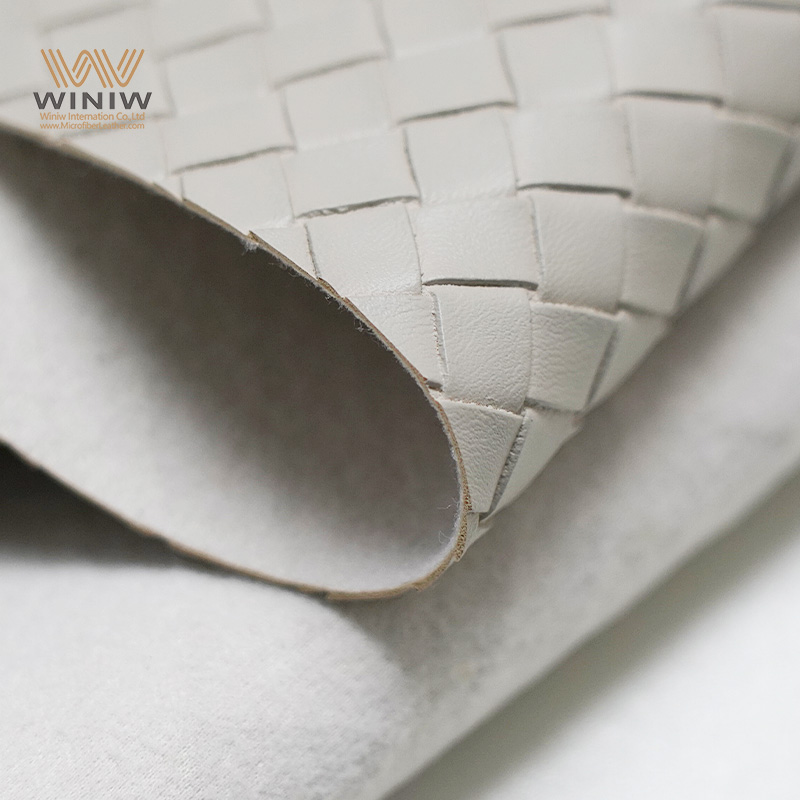
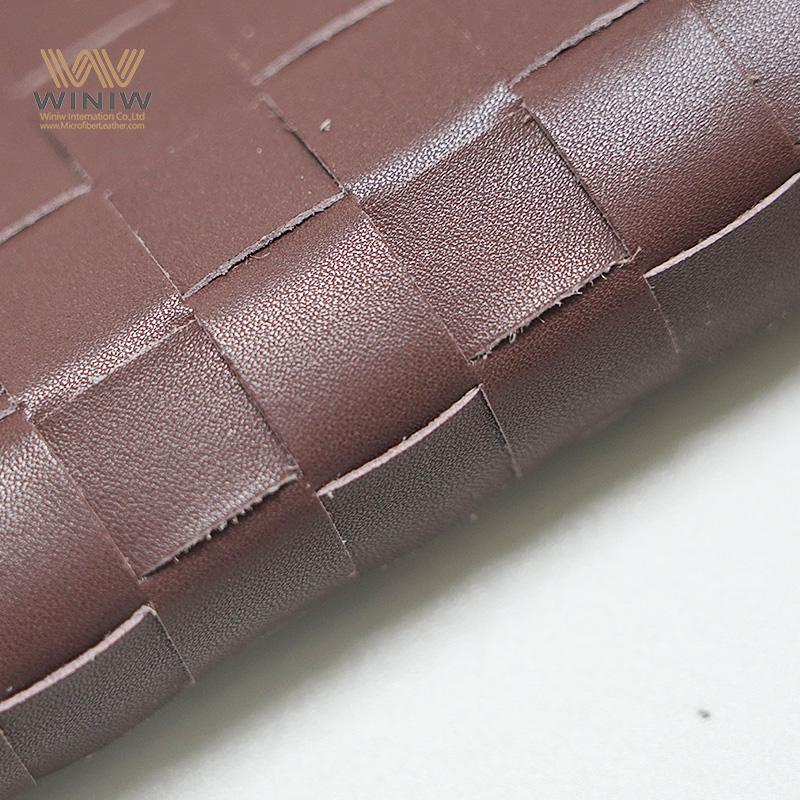
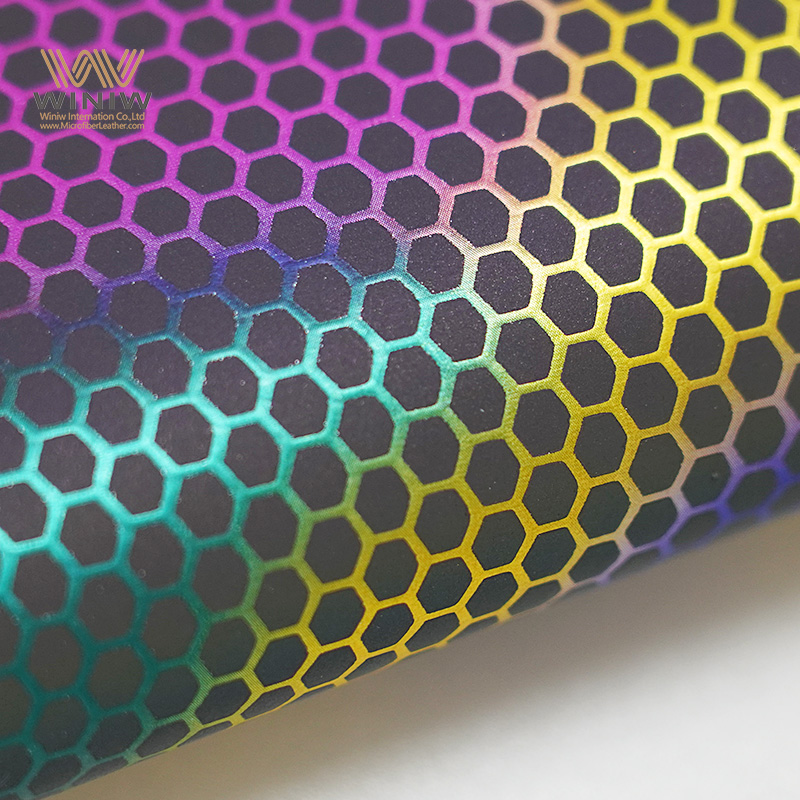
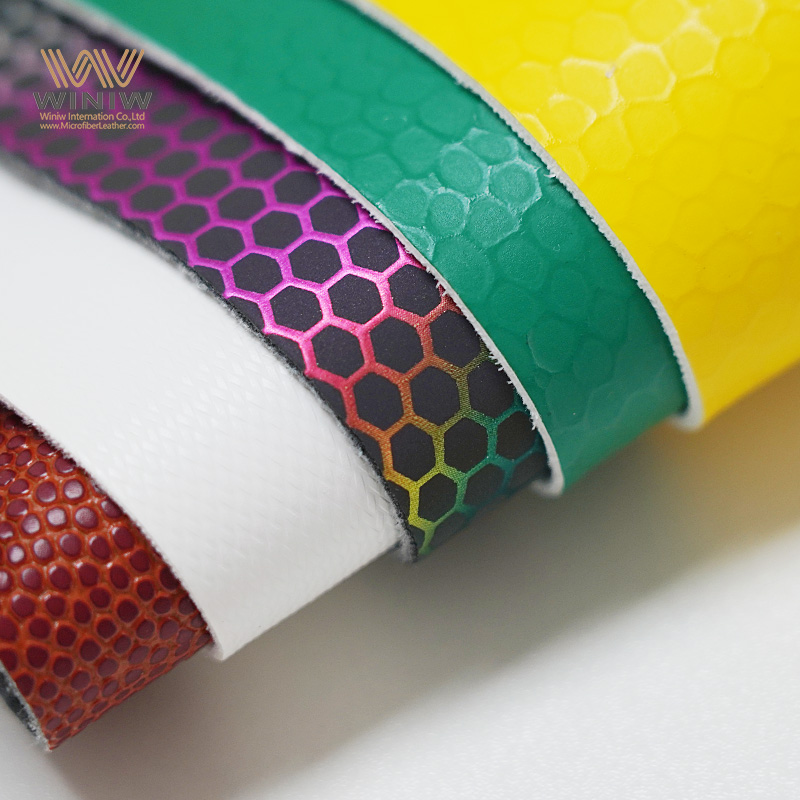
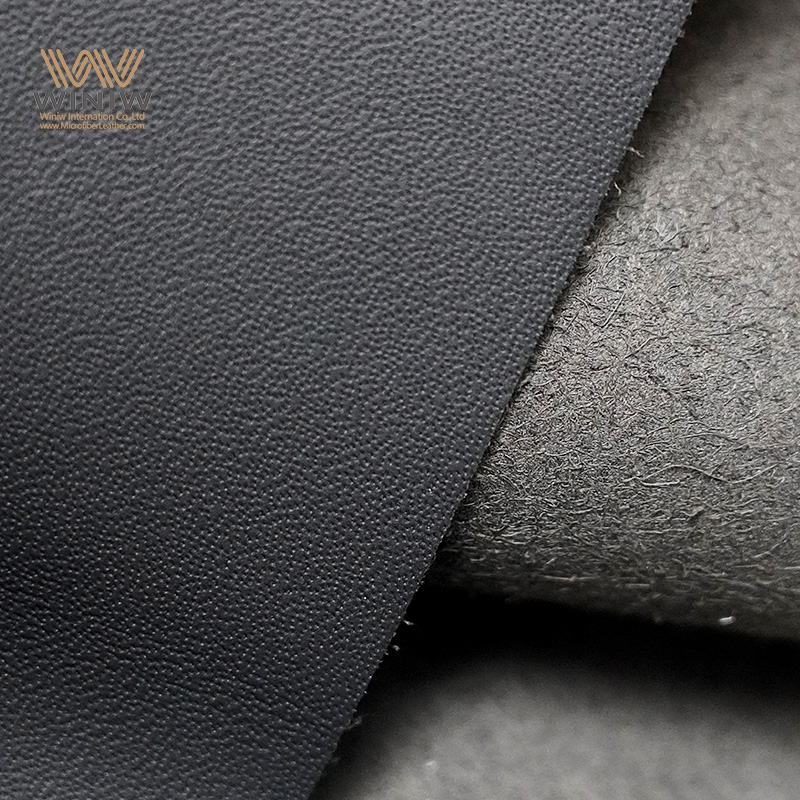
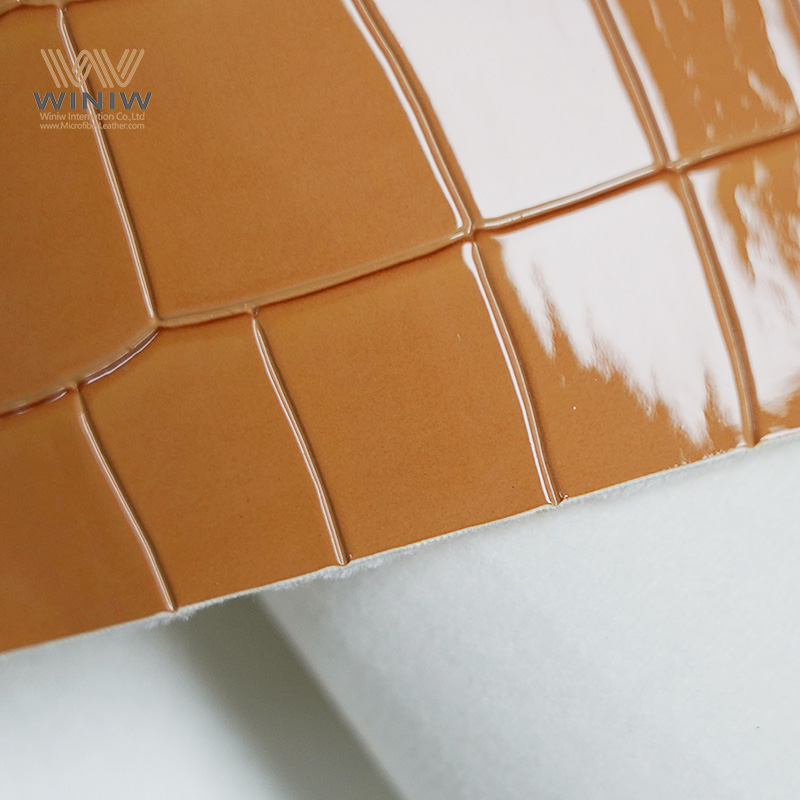
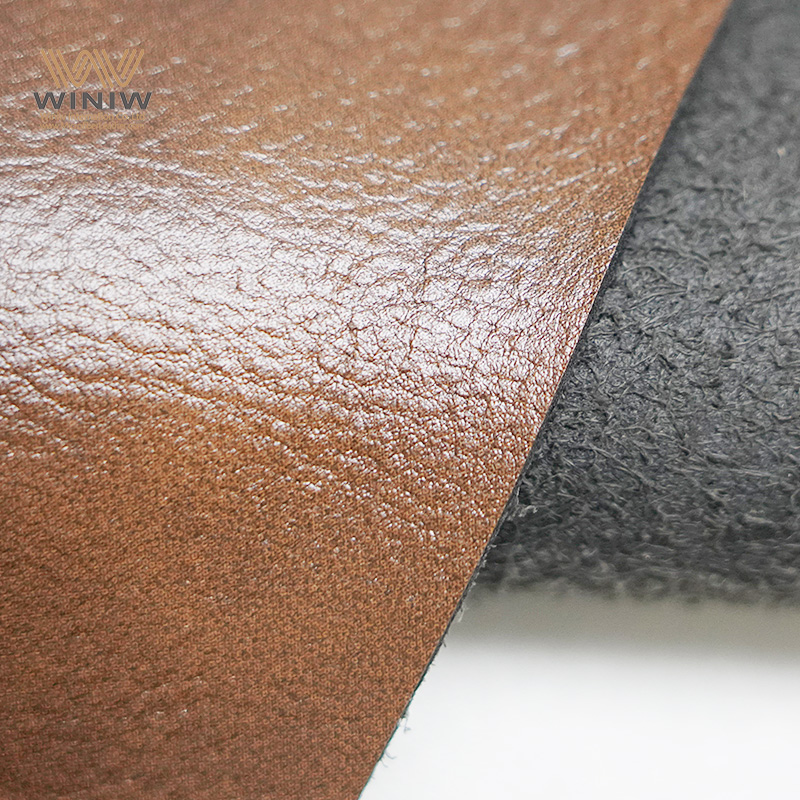
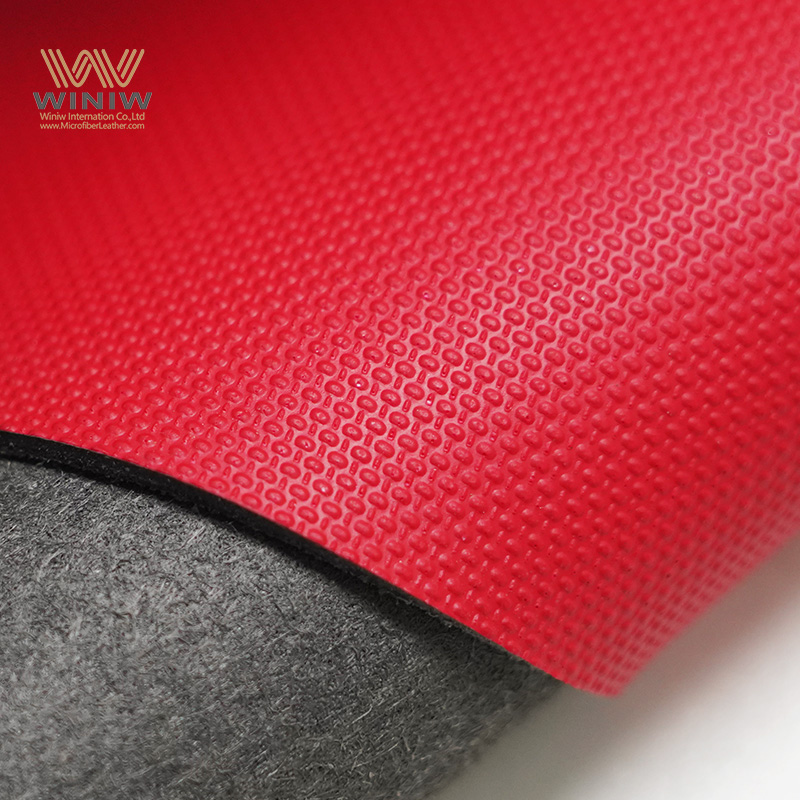
PU em tecido explicado de forma simples para uso diário.
PU em tecido Oferece vantagens e desvantagens práticas para o dia a dia. As pessoas apreciam sua durabilidade, resistência à água e facilidade de manutenção. Consideram-no acessível e versátil em termos de estilo. No entanto, alguns notam respirabilidade e conforto limitados em climas quentes. Muitos escolhem o PU em tecido para itens do dia a dia por ser um bom equilíbrio entre custo e desempenho.Principais conclusõesPU em tecido é um material sintético que imita o couro, oferecendo durabilidade e resistência à água.É acessível, o que o torna uma escolha popular para itens do dia a dia, como jaquetas, bolsas e móveis.couro PU Requer manutenção mínima; uma limpeza simples com um pano úmido geralmente é suficiente.Embora o tecido PU seja elegante e versátil, pode não ser muito respirável, tornando-o menos confortável em climas quentes.A vida útil do couro PU é normalmente de 3 a 5 anos, o que é menor do que a do couro genuíno, mas maior do que a do PVC.O tecido PU é uma ótima opção para quem busca alternativas ao couro animal que não envolvam crueldade animal.Ao escolher produtos de PU, considere a sua finalidade; eles são mais indicados para itens que precisam de durabilidade e facilidade de limpeza.O armazenamento e os cuidados adequados podem prolongar a vida útil do couro PU, ajudando a manter sua aparência e funcionalidade.O que é PU em tecidos?DefiniçãoPU em tecido Refere-se a um material sintético criado revestindo um tecido base, como poliéster ou microfibra, com uma camada de poliuretano. Esse processo permite que os fabricantes produzam materiais que se assemelham muito ao couro genuíno em aparência e textura. O couro PU destaca-se pela capacidade de ser estampado com padrões e colorido em uma ampla gama de tonalidades, tornando-se uma escolha popular para designers que buscam versatilidade. Ao contrário de outras opções sintéticas, o PU couro vegano Oferece uma alternativa econômica que mantém um alto nível de apelo estético. O couro de poliuretano proporciona um acabamento liso e pode imitar a aparência do couro natural, enquanto couro artificial Feito de PU, permanece leve e flexível.ProduçãoA produção de PU em tecido envolve diversas etapas precisas para garantir qualidade e durabilidade. A tabela a seguir descreve o processo. principais etapas do processo de fabricação:EtapaDescriçãoMistura e formação de pré-polímerosPolióis e isocianatos são combinados para formar um pré-polímero, controlando a dureza e a elasticidade.Fundição e extrusãoOs métodos de moldagem, como fundição ou extrusão, determinam a qualidade do produto final.Cura e pós-processamentoAs técnicas de cura e as etapas de pós-processamento melhoram o desempenho e a precisão.Inspeção e Testes de QualidadeTestes rigorosos garantem que o tecido de PU atenda aos padrões de design e desempenho.Os fabricantes utilizam essas etapas para produzir couro PU, couro vegano PU e couro artificial para diversas aplicações. A capacidade de estampar e colorir o PU durante a produção confere-lhe uma vantagem sobre outros materiais sintéticos, tornando-o adequado para uma ampla gama de produtos.Usos comunsO PU em tecidos encontra aplicações em diversos setores devido à sua adaptabilidade e custo-benefício. A tabela a seguir destaca onde o PU é utilizado. couro e PU Os couros veganos são os mais comuns. comumente usado:IndústriaTipo de aplicaçãoModaAcabamento têxtilAutomotivoAcabamento em couro naturalEquipamento para atividades ao ar livreProdução de couro sintéticoEsportesTêxteis inteligentesAssistência médicaTêxteis inteligentesMilitaresTêxteis inteligentesItens do dia a dia feitos de PU incluem jaquetas, sapatos, bolsas, cintos, assentos de carro e estofados de móveis. O couro vegano de PU atrai consumidores que buscam alternativas livres de crueldade animal, enquanto o couro sintético oferece durabilidade para produtos expostos ao uso frequente.As considerações de saúde e segurança desempenham um papel crucial na utilização de PU em vestuário:Diretrizes regulamentares Regulamentos como o REACH na Europa ajudam a minimizar os riscos para a saúde e o meio ambiente.A conformidade com normas como a Global Organic Textile Standard (GOTS) garante uma produção sustentável e segura.O fornecimento ético e o cumprimento das leis trabalhistas apoiam práticas de fabricação justas.O PU em tecidos continua a evoluir, oferecendo aos fabricantes e consumidores uma opção confiável para produtos elegantes, acessíveis e funcionais.PU em tecido versus outros materiaisO tecido de PU destaca-se na indústria têxtil como uma alternativa prática tanto ao couro natural quanto ao PVC. Fabricantes e consumidores frequentemente comparam esses materiais com base na durabilidade, custo e desempenho no uso diário. Cada material oferece vantagens e limitações específicas, tornando a escolha dependente da finalidade de uso e das prioridades do usuário.Durabilidade e LongevidadeO couro natural conquistou uma reputação de excepcional durabilidade. Ele resiste ao desgaste ao longo de muitos anos, desenvolvendo uma pátina que muitos usuários consideram atraente. O tecido PU, quando produzido com altos padrões de qualidade, oferece uma durabilidade que rivaliza com a do couro genuíno. Ele suporta o uso diário e resiste a rachaduras melhor do que o PVC. O PVC, por outro lado, tende a rachar ou descascar com o uso frequente, especialmente em ambientes com temperaturas variáveis.MaterialDurabilidadeComparação de custosTecido PUMais durável do que o PVC mais barato.Normalmente, custa de 30 a 50% menos que couro genuíno.Couro naturalMaior expectativa de vidaCusto mais elevadoPVCMenos durável, pode rachar ou descascar.Geralmente mais barato que PU e couroCusto e valorO custo continua sendo um fator significativo para a maioria dos compradores. O couro genuíno tem um preço elevado devido à sua origem natural e aos requisitos de processamento. Couro do falso, como tecido PU de alta qualidade, Custa de 30 a 50% menos que o couro natural.Essa diferença de preço permite que os consumidores tenham acesso a produtos elegantes e funcionais sem um grande investimento. O PVC geralmente oferece o menor preço, mas sua menor durabilidade pode levar a custos de substituição mais altos ao longo do tempo.O tecido PU proporciona um Solução com melhor relação custo-benefício em comparação com o PVC..O couro sintético de alta qualidade oferece a mesma durabilidade do couro genuíno, porém a um preço mais acessível.Ao longo de um período de cinco a sete anos, o tecido de PU oferece um custo por uso econômico devido à necessidade mínima de manutenção.Manutenção e uso diárioO couro natural requer condicionamento regular e limpeza cuidadosa para manter sua aparência e flexibilidade. O tecido PU, por outro lado, precisa apenas de uma limpeza simples para remover derramamentos ou sujeira. Essa praticidade é um atrativo para pessoas e famílias ocupadas. O PVC também é fácil de limpar, mas sua tendência a se degradar mais rapidamente significa que os usuários podem precisar substituir os itens com mais frequência.Estética e AplicaçãoOs designers valorizam o tecido PU por sua capacidade de imitar a aparência e o toque do couro natural. Ele aceita uma ampla gama de cores e padrões de relevo, tornando-o adequado para moda, indústria automotiva e outros setores. lar Aplicações decorativas. O couro natural oferece uma aparência clássica e luxuosa, enquanto o PVC geralmente não possui a textura e o acabamento refinados dos outros dois materiais.Dica: Para quem busca um equilíbrio entre estilo, durabilidade e preço acessível, o tecido PU é uma ótima opção. Ele une a sensação premium do couro com o custo-benefício do PVC.PU em tecido: vantagensDurabilidadeResistência ao desgasteO couro PU demonstra uma resistência impressionante ao desgaste em produtos de uso diário. Os fabricantes projetam o PU para suportar fricção, estiramento e flexão frequentes. Sapatos, jaquetas e bolsas feitos de couro vegano PU mantêm sua aparência mesmo após uso repetido. O couro de poliuretano resiste a arranhões e marcas melhor do que muitos materiais naturais. O couro artificial, especialmente o PU de alta qualidade, resiste bem à abrasão. Essa durabilidade torna o PU uma escolha preferida para itens expostos a manuseio brusco ou condições externas.Vida útilOs consumidores valorizam a longa vida útil do couro PU. O material mantém sua forma e cor ao longo do tempo, reduzindo a necessidade de substituições frequentes. O couro PU vegano oferece uma alternativa confiável ao couro genuíno, com menos sinais de rachaduras ou descascamento. Produtos de couro artificial feitos de PU geralmente duram vários anos com manutenção mínima. As vantagens do PU em tecidos incluem sua capacidade de oferecer desempenho consistente durante todo o seu ciclo de vida. Práticas sustentáveis na produção de PU aumentam ainda mais sua longevidade, apoiando as metas de sustentabilidade de fabricantes e usuários.Resistência à águaProteção contra derramamentoO couro PU oferece excelente resistência à água, protegendo seus pertences contra derramamentos acidentais e umidade. Bolsas, móveis e assentos de carro feitos de couro vegano PU repelem líquidos, evitando manchas e danos. O couro de poliuretano forma uma barreira que impede a penetração da água no tecido. As superfícies de couro sintético permitem que os usuários limpem os derramamentos rapidamente, preservando a aparência e a funcionalidade do item. Essa característica se mostra especialmente útil em residências com crianças ou animais de estimação, onde sujeiras são frequentes.Dica: A resistência à água do couro PU ajuda a manter uma aparência limpa e fresca, mesmo em ambientes de alto tráfego.Fácil manutençãoLimpezaO couro PU destaca-se pela facilidade de limpeza. Os usuários podem manter o couro vegano PU em bom estado seguindo os métodos recomendados pelo fabricante:Lavagem na máquinaVerifique a etiqueta de cuidados. Use um ciclo delicado com água fria e detergente suave. Evite alvejante e produtos químicos agressivos.Lavagem à mão: Encha uma bacia com água fria e detergente neutro. Lave delicadamente, enxágue bem e deixe secar ao ar livre.Lavagem a seco: Não é adequada para todos os tecidos de PU. Alguns solventes podem danificar o material.Esses passos simples tornam o PU uma escolha prática para pessoas ocupadas. As superfícies de couro artificial não exigem condicionadores ou tratamentos especiais, economizando tempo e esforço.Resistência a manchasO PU em tecidos resiste a manchas de alimentos, bebidas e sujeira do dia a dia. O couro sintético de PU não absorve líquidos com facilidade, permitindo que os usuários limpem a sujeira antes que ela seque. O couro sintético vegano de PU mantém sua cor e acabamento, mesmo após a exposição a substâncias domésticas comuns. Produtos de couro sintético feitos de PU oferecem proteção confiável contra derramamentos acidentais. Opções sustentáveis de PU reduzem ainda mais a necessidade de produtos químicos de limpeza agressivos, apoiando hábitos ecologicamente corretos.Nota: A limpeza regular e a atenção imediata a derrames prolongam a vida útil do couro PU, mantendo os produtos com aparência de novos.AcessibilidadeComparação de custosOs consumidores frequentemente escolhem o couro PU devido ao seu preço atrativo. Os fabricantes conseguem produzir PU a um custo inferior ao do couro genuíno, tornando-o acessível para uma ampla gama de produtos. Os varejistas repassam essa economia aos clientes, permitindo que eles comprem itens elegantes e duráveis sem pagar um preço exorbitante. A tabela a seguir compara o preço médio de varejo do couro PU. Couro do falso, couro sintético de PVC e microfibra:MaterialPreço médio (USD por metro quadrado)Couro sintético PU10–15Couro sintético de PVC8–12Microfibra20+Esses dados mostram que o couro PU se situa entre o PVC e a microfibra em termos de custo. Os compradores obtêm um equilíbrio entre qualidade e preço acessível. O couro de poliuretano oferece uma aparência sofisticada por uma fração do preço das alternativas naturais. Muitas marcas utilizam couro vegano PU para criar produtos modernos que atraem consumidores com orçamento limitado. O couro artificial feito de PU oferece valor a longo prazo, pois resiste ao desgaste e requer manutenção mínima. A relação custo-benefício do PU em tecidos contribui para sua popularidade tanto na moda quanto em artigos para o lar.Dica: Os consumidores podem renovar seus guarda-roupas ou redecorar suas casas com produtos de couro sintético sem gastar muito.VersatilidadeEstilosOs designers apreciam a versatilidade do couro PU. O material suporta uma ampla gama de cores, texturas e acabamentos. Os fabricantes podem reproduzir padrões de animais, veios naturais ou designs criativos. A tabela a seguir destaca as possibilidades de uso do couro PU. variedade disponível no mercado atual:Tipo de texturaDescriçãoPadrões de animaisInclui desenhos como crocodilo e cobra.Texturas NaturaisApresenta texturas que lembram materiais naturais.Projetos criativosOferece opções exclusivas como acabamentos em lichia, pele de carneiro, tecido, pedra e espelho.Personalização de coresSuporta cores padrão e personalizadas, garantindo consistência entre lotes.Acabamentos de superfícieAs opções incluem acabamentos fosco, semibrilho e levemente brilhante.Essa flexibilidade permite que as marcas ofereçam couro vegano PU em estilos clássicos ou modernos. Os consumidores podem encontrar produtos que combinem com seu gosto pessoal, desde cores vibrantes até texturas sutis. O couro artificial feito de PU se adapta às tendências sazonais e às preferências dos designers.AplicaçõesO couro PU tem diversas utilidades no dia a dia. Sua durabilidade e apelo estético o tornam uma excelente escolha tanto para produtos de moda quanto para artigos de decoração. As aplicações mais comuns incluem:Vestuário: Jaquetas, saias, calças e acessórios se beneficiam do Maciez e durabilidade Feito de couro vegano PU. O material imita o couro genuíno, mantendo-se impermeável e flexível.Tecidos técnicos: Equipamentos para atividades ao ar livre, artigos esportivos e roupas de proteção utilizam PU para maior resistência e impermeabilidade.Mobiliário para casa: Sofás, cadeiras, almofadas e itens decorativos em PU (poliuretano) devido ao seu apelo visual e responsabilidade ambiental.Material do forro: Peças de vestuário de alta qualidade costumam usar PU como forro devido à sua textura macia e custo-benefício.Os fabricantes utilizam PU em tecidos para atender às diversas necessidades dos consumidores. A adaptabilidade do material garante sua relevância em mercados em constante mudança. Produtos de couro sintético confeccionados com PU oferecem desempenho confiável tanto em ambientes casuais quanto formais.Nota: A versatilidade do couro PU permite que os designers inovem, enquanto os consumidores desfrutam de uma ampla seleção de produtos elegantes e práticos.PU em tecido: desvantagensRespirabilidadeProblemas de fluxo de arO couro PU geralmente carece de A respirabilidade natural encontrada no couro genuíno. O revestimento de poliuretano cria uma barreira que limita o fluxo de ar através do tecido. Como resultado, o ar não circula livremente, o que pode reter calor e umidade em contato com a pele. Muitos usuários percebem esse problema ao usar roupas de couro PU ou ao sentar em móveis estofados em PU por longos períodos. O fluxo de ar limitado pode tornar esses produtos menos confortáveis, especialmente em ambientes quentes ou úmidos.Impacto de confortoA baixa respirabilidade do couro PU afeta diretamente o conforto. Quando o ar não consegue circular pelo material, o suor e o calor corporal se acumulam mais rapidamente. Isso pode causar uma sensação pegajosa ou úmida, principalmente durante atividades físicas ou em climas quentes. Pessoas que usam jaquetas ou sapatos de couro PU podem sentir desconforto após uso prolongado. Embora o PU em tecidos ofereça muitas vantagens, a falta de respirabilidade continua sendo uma de suas desvantagens mais notáveis para o uso diário.Impacto ambientalProblemas de produçãoO impacto ambiental do PU A produção de couro envolve aspectos positivos e negativos. Os fabricantes desenvolveram tecidos de poliuretano curado por UV para reduzir o consumo de energia e a pegada de carbono. Esse processo utiliza luz ultravioleta para uma cura rápida, o que também resulta em menos compostos orgânicos voláteis (COVs) e melhor qualidade do ar durante a aplicação. No entanto, a produção de PU ainda depende de produtos químicos que podem representar riscos para os trabalhadores e o meio ambiente. Esses produtos químicos exigem manuseio e descarte cuidadosos para evitar danos. A durabilidade do poliuretano curado por UV ajuda a reduzir o desperdício ao longo do tempo, mas o impacto ambiental geral depende de práticas de fabricação responsáveis.DisposiçãoO descarte do couro PU representa outro desafio ambiental. Ao contrário dos materiais naturais, o PU não se biodegrada facilmente. Produtos de PU antigos, como bolsas ou móveis de couro sintético, muitas vezes acabam em aterros sanitários, onde permanecem por muitos anos. As opções de reciclagem para o PU ainda são limitadas e a incineração pode liberar substâncias nocivas na atmosfera. Consequentemente, a fase de fim de vida útil dos produtos de couro PU contribui para as preocupações ambientais. Empresas e consumidores que buscam soluções sustentáveis devem considerar todo o ciclo de vida do PU, da produção ao descarte.Nota: Inovações recentes, como a Ferramenta CQ-Configurator, ajuda os fabricantes a projetar produtos de poliuretano mais sustentáveis. Esta ferramenta fornece avaliações de sustentabilidade em tempo real, permitindo que as empresas comparem as opções de materiais e se alinhem com as metas ambientais.LongevidadeRachadurasO couro PU oferece boa durabilidade, mas sua vida útil é menor em comparação com o couro genuíno. Com o tempo, o PU pode desenvolver rachaduras, especialmente em áreas que dobram ou flexionam com frequência. A camada superficial pode começar a descascar ou rachar após alguns anos de uso regular. A tabela a seguir compara a vida útil típica do couro PU com a de outros materiais comuns:MaterialVida útilCouro genuínoDécadas com os devidos cuidadosCouro PU3 a 5 anos antes do início do desgastePVCGeralmente menos durávelO couro sintético feito de PU oferece uma opção econômica, mas os usuários devem esperar sinais de desgaste após três a cinco anos. Rachaduras e descamação são as principais desvantagens do couro PU, especialmente em itens expostos ao uso diário. Embora o PU continue sendo uma escolha popular por seu preço acessível e estilo, os consumidores devem ponderar essas desvantagens em relação às vantagens ao selecionar produtos para uso a longo prazo.ConfortoSensação na peleO couro PU geralmente tem um toque suave e uniforme. Muitos usuários notam que a superfície não possui o calor e a maciez naturais encontrados no couro genuíno. O revestimento de poliuretano cria uma textura uniforme, que às vezes pode parecer artificial ou plástica. Pessoas que usam roupas de couro PU ou móveis estofados em PU podem sentir uma leve rigidez, especialmente quando o material é novo.Algumas pessoas com pele sensível relatam irritação leve após contato prolongado com tecido de PU. A superfície sintética não absorve umidade, o que pode causar uma sensação pegajosa em climas quentes ou úmidos. Ao contrário do couro natural, o PU não se adapta aos contornos do corpo com a mesma facilidade. Essa diferença na sensação ao toque pode afetar o conforto de quem prefere uma textura mais natural.Dica: Pessoas com alergias ou pele sensível devem testar produtos de PU antes de comprar. Um breve teste pode ajudar a determinar se o material é adequado às suas necessidades.Sensibilidade à temperaturaO couro PU reage rapidamente às mudanças de temperatura. O material tende a ficar frio quando exposto a baixas temperaturas e pode ficar desconfortavelmente quente sob luz solar direta ou em ambientes aquecidos. Ao contrário do couro genuíno, o PU não regula bem a temperatura. Essa característica afeta o conforto dos usuários tanto em ambientes internos quanto externos.O revestimento sintético retém o calor, o que pode causar desconforto durante os meses de verão. No inverno, as superfícies de PU podem parecer frias em contato com a pele. Pessoas que usam móveis ou roupas de PU frequentemente percebem essas variações de temperatura. A falta de respirabilidade e a má regulação térmica tornam o PU menos adequado para itens que exigem conforto em todas as estações do ano.DoençaResposta do couro PUExperiência do usuárioTempo quenteRetém o calorSensação pegajosa e suada.Tempo frioParece frio ao toque.Desconfortável, rígidoLuz solar diretaAquece rapidamenteRisco de sobreaquecimentoNota: Escolher produtos de PU com forro ou isolamento adicional pode melhorar o conforto em temperaturas extremas.Sensibilidade ao calorRisco de danosO couro PU é vulnerável a altas temperaturas. A camada de poliuretano pode deformar, derreter ou descolorir quando exposta a fontes de calor direto. Itens deixados em carros quentes ou perto de radiadores frequentemente sofrem danos. O material pode perder a forma, desenvolver bolhas ou se desprender do tecido base.Os fabricantes recomendam manter os produtos de PU longe de calor intenso. A exposição prolongada reduz a vida útil do couro PU e diminui seu apelo visual. Os usuários devem evitar passar tecidos de PU a ferro ou colocá-los em secadoras. As propriedades de sensibilidade ao calor limitam o uso do PU em ambientes onde o controle de temperatura é difícil.Os riscos comuns incluem:Derretimento ou deformação devido à luz solar direta.Descoloração após contato com objetos quentesDescascamento ou rachaduras devido ao aquecimento e resfriamento repetidosAtenção: Guarde sempre os artigos de PU em locais frescos e à sombra. Proteja-os do calor para manter a durabilidade e a aparência.Escolhendo PU em tecidoQuando usarMelhores usosOs consumidores costumam escolher couro PU e couro vegano PU para produtos que exigem durabilidade, estilo e fácil manutenção. Esses materiais funcionam bem em ambientes de alto tráfego e para itens expostos a manuseio frequente. Móveis, assentos de carro, bolsas e jaquetas se beneficiam da resistência à água e da proteção contra abrasão que o couro PU oferece. Na indústria da moda, o couro vegano PU oferece uma alternativa livre de crueldade para quem busca opções elegantes e que respeitam os animais. Equipamentos para atividades ao ar livre e artigos esportivos também utilizam couro vegano PU devido à sua leveza e resistência à umidade.Uma comparação de fatores para móveis e roupas Ajuda a esclarecer as melhores aplicações:FatorConsiderações sobre mobiliárioConsiderações sobre vestuárioDurabilidadeMaior durabilidade é crucialConforto e apelo estético são priorizados.Resistência à abrasãoEssencial para aplicações de alto desgaste.Menos crítico, mas ainda importante.Requisitos de manutençãoPode exigir métodos de limpeza mais robustos.Geralmente precisa ser lavado na máquina.Caso de uso pretendidoProjetado para uso a longo prazo.Focado em estilo e caimento.Quando evitarO couro PU e o couro vegano PU podem não ser adequados para todas as situações. Os usuários devem evitar esses materiais para itens que exigem alta respirabilidade ou que ficarão expostos a calor extremo. Por exemplo, roupas de verão ou produtos deixados sob luz solar direta por longos períodos podem não ter um bom desempenho. Pessoas com pele sensível podem preferir fibras naturais para maior conforto. Ao buscar alternativas sustentáveis, alguns podem optar por materiais que se biodegradam mais facilmente ou que têm menor impacto ambiental.Dicas de cuidadosDicas de limpezaOs cuidados adequados prolongam a vida útil do couro PU e do couro vegano PU. A maioria dos produtos só precisa de um pano macio e sabão neutro para a limpeza. Ao contrário do couro genuíno, esses materiais não exigem condicionamento. Os usuários devem evitar produtos químicos agressivos e ferramentas abrasivas, que podem danificar a superfície. Para roupas, a lavagem na máquina em ciclo delicado geralmente funciona, mas sempre verifique a etiqueta de cuidados primeiro. A limpeza rápida de derramamentos evita manchas e mantém as peças com aparência de novas.ArmazenarO armazenamento correto evita rachaduras e prolonga a aparência do couro PU e do couro vegano PU. A tabela a seguir descreve... métodos eficazes de armazenamento para diferentes itens:Método de armazenamentoCondiçõesArmazenamento geral19–25 °C com cerca de 50% de umidade relativaRoupasPodem ser guardadas em cabides, gavetas ou caixas, embrulhadas em Tyvek® ou papel de seda sem ácido.AcessóriosArmazenados em gavetas para minimizar o contato.Itens maioresColocados em prateleiras abertas e protegidos por filme de polietileno.Dica: Guarde os produtos de couro vegano PU longe da luz solar direta e de fontes de calor para evitar deformações ou descoloração.AlternativasCouroO couro genuíno oferece um visual clássico e longa durabilidade. No entanto, requer hidratação regular e pode absorver umidade, o que leva ao aparecimento de rachaduras com o tempo. O couro PU resiste à água, aos danos causados pelos raios UV e à abrasão.Isso a torna mais adequada para uso externo. As bolsas de golfe feitas de couro PU permanecem leves e mantêm sua forma, enquanto o couro genuíno pode ficar pesado e perder a forma se não for cuidado adequadamente. Para quem busca alternativas livres de crueldade animal, o couro PU vegano oferece uma aparência semelhante sem produtos de origem animal.PVCOs materiais de PVC representam mais uma opção para os consumidores. Os tapetes de PVC revestidos com PU combinam a durabilidade do PVC. Com o conforto de uma camada macia de PU, a experiência do usuário é aprimorada. Embora o PVC levante preocupações ambientais, os avanços nos revestimentos de PU melhoraram a reciclabilidade e reduziram o odor. O couro vegano de PU geralmente oferece um toque mais macio e melhor aderência do que o PVC padrão. Ao considerar alternativas sustentáveis, os usuários devem ponderar o impacto ambiental e o nível de conforto de cada material.Nota: A escolha entre couro PU, couro genuíno e PVC depende da finalidade de uso, das preferências de cuidado e dos valores pessoais em relação à sustentabilidade e ao bem-estar animal. O tecido PU oferece vantagens notáveis, como preço acessível, resistência à água e facilidade de manutenção. No entanto, os usuários devem considerar desvantagens como rachaduras e respirabilidade limitada. Especialistas sugerem couro de microfibra Para nécessaires de uso diário, o couro PU é ideal, pois dura mais e é fácil de limpar. Já o couro PU é adequado para uso ocasional e para quem busca economia. É importante que cada pessoa avalie suas necessidades de conforto e durabilidade antes de escolher o tecido PU. Selecionar o material certo garante satisfação no dia a dia. 😊Perguntas frequentesO que significa PU em tecidos?PU significa poliuretano.Os fabricantes utilizam esse polímero sintético para revestir tecidos, criando um material que tem a aparência e o toque do couro, mas oferece maior facilidade de cuidado e menor custo.O tecido PU é impermeável?O tecido PU oferece boa resistência à água. O revestimento de poliuretano bloqueia a maioria dos líquidos, tornando-o ideal para bolsas, jaquetas e móveis que precisam de proteção contra derramamentos ou chuva.Qual a durabilidade do couro PU?O couro PU normalmente dura de três a cinco anos com uso regular. Cuidados adequados, como limpeza delicada e evitar o calor, podem prolongar sua vida útil.O tecido de PU pode causar alergias?A maioria das pessoas não apresenta alergias ao tecido de PU. No entanto, indivíduos com pele sensível podem notar uma leve irritação após contato prolongado. Recomenda-se testar primeiro em uma pequena área da pele.Como limpar tecido de PU?Limpe o tecido de PU com um pano úmido e sabão neutro. Evite produtos químicos agressivos ou ferramentas abrasivas. No caso de roupas, verifique a etiqueta de cuidados antes de lavar na máquina.O tecido PU é ecológico?O tecido de PU oferece alguns benefícios ecológicos, como menor impacto sobre os animais. No entanto, não é facilmente biodegradável e pode liberar substâncias químicas durante a produção ou o descarte.Qual a diferença entre PU e PVC?RecursoTecido PUTecido de PVCSentirMais macio, flexívelMais rígido, menos macioDurabilidadeMais durávelPropenso a rachadurasCustoLigeiramente mais altoMais baixo